

Protein is one of the most important nutrients for maintaining muscle, supporting metabolism, and ensuring overall health. While many people associate protein mainly with animal products, there are numerous plant-based foods that also provide this essential nutrient in generous amounts. Vegan protein sources come from legumes, grains, seeds, and other plant ingredients that can easily fit into different types of meals and cuisines. Below are ten of the most notable vegan protein sources and what makes each of them unique.
Lentils
Lentils are a protein-rich legume widely used in global cuisines. One cooked cup contains about 18 grams of protein, along with iron, potassium, and dietary fiber. They are available in several varieties, including green, brown, red, and black, each with a slightly different texture and flavor. Lentils work well in soups, salads, stews, and grain bowls.
For best results, soak lentils and cook them in a pressure cooker when possible. This method reduces lectins, enhances digestibility, and preserves more nutrients while significantly cutting down cooking time.
Chickpeas (Garbanzo Beans)
Chickpeas are another popular legume offering around 15 grams of protein per cooked cup. They are also a good source of complex carbohydrates and minerals such as magnesium and folate. Chickpeas can be enjoyed whole, mashed, or ground into flour. They are commonly used in dishes like hummus, falafel, curries, and roasted snacks.
Just like lentils, pressure cooking chickpeas after soaking helps minimize lectins and improves their texture, making them softer and easier to digest.
Tofu
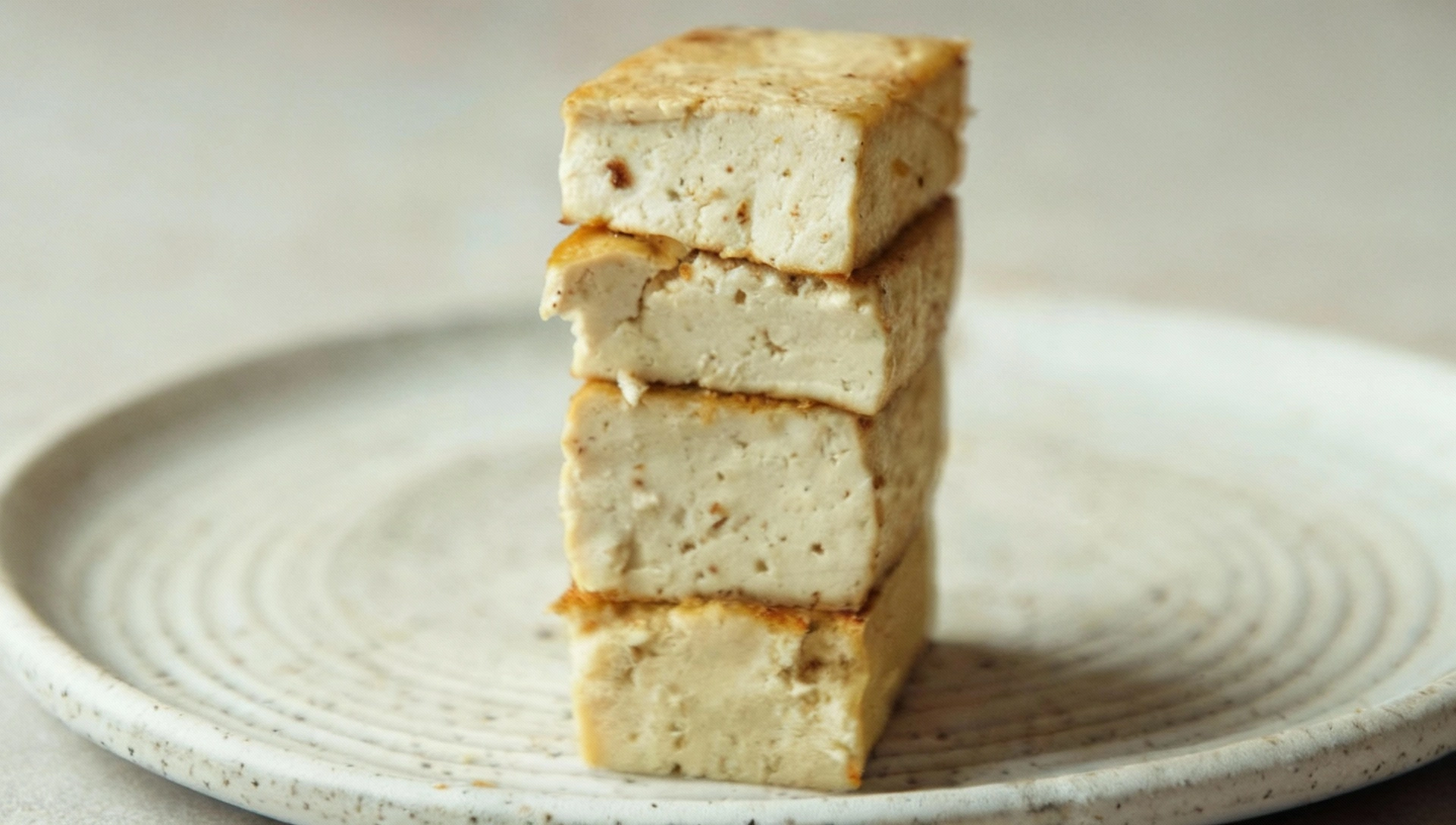
Tofu is made from soybeans and provides approximately 10 grams of protein per 100 grams. It has a mild flavor and a soft texture that absorbs seasonings easily, making it suitable for savory or sweet recipes. Depending on its firmness, tofu can be grilled, stir-fried, baked, or blended into sauces and smoothies.
When choosing soy-based products like tofu, it’s advisable to look for non-GMO and organically grown options to ensure higher ingredient quality and minimize exposure to synthetic chemicals.
Tempeh
Tempeh is a fermented soy product with a nutty taste and firm texture. It contains about 19 grams of protein per 100 grams and is also rich in fiber and probiotics. The fermentation process enhances the bioavailability of nutrients, making tempeh a highly nutritious addition to various meals such as sandwiches, stir-fries, or grain bowls.
As with tofu, selecting non-GMO and organic soy is recommended for the best nutritional value and quality.
Edamame
Edamame are young soybeans harvested before full maturity. They supply roughly 17 grams of protein per cup and are also a good source of vitamins and antioxidants. Edamame can be served as a snack, tossed into salads, or mixed with rice and noodle dishes. Opting for organic and non-GMO edamame is a good way to support clean, sustainable food choices.
Quinoa
Quinoa is technically a seed but is often prepared like a grain. One cooked cup offers about 8 grams of protein and all nine essential amino acids, which makes it a complete protein. Quinoa is also gluten-free and rich in minerals such as magnesium and manganese. It pairs well with vegetables, beans, or roasted nuts.
Chia Seeds
Chia seeds are small but densely packed with nutrients. Two tablespoons provide around 5 grams of protein, along with fiber, calcium, and omega-3 fatty acids. When soaked in liquid, they form a gel-like consistency suitable for puddings, smoothies, and breakfast dishes.
Hemp Seeds
Hemp seeds contain about 10 grams of protein per three tablespoons and are considered a complete protein source. They also offer healthy fats, particularly omega-3 and omega-6 fatty acids. Their light, nutty flavor makes them easy to add to salads, oatmeal, yogurt alternatives, and smoothies.
Black Beans
Black beans are a staple in many cuisines and a dependable source of plant protein, offering around 15 grams per cooked cup. They also provide fiber, folate, and antioxidants such as anthocyanins, which contribute to their dark color. Black beans can be used in soups, burritos, grain bowls, or even blended into dips and burger patties.
When preparing beans such as black beans, it’s best to soak them before cooking and, if possible, use a pressure cooker. This helps reduce lectin content and improves digestibility while saving cooking time.
Nutritional Yeast
Nutritional yeast is a deactivated yeast often used for its savory, cheese-like flavor. Two tablespoons supply around 8 grams of protein as well as B vitamins, including B12 in fortified versions. It can be sprinkled on pasta, popcorn, or vegetables to enhance both flavor and nutritional value.
Exploring different vegan protein sources can also be a way to discover new flavors and cooking techniques. From traditional ingredients like lentils and tofu to newer options such as tempeh or hemp seeds, each food offers its own texture and character in the kitchen. Whenever possible, choosing organic ingredients supports better food quality and environmental sustainability. Experimenting with these ingredients can bring variety and creativity to everyday meals, while also highlighting the impressive diversity found within plant-based foods.