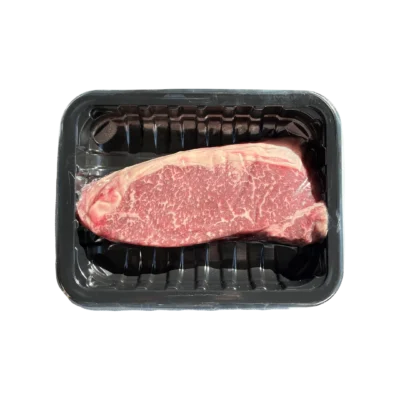


When it comes to choosing beef, the labels on packages can be surprisingly complex. Words like grass-fed and grass-finished often appear side by side, suggesting a similar meaning, yet they describe very different approaches to raising cattle. Both refer to animals that eat grass, but the details of how long they graze, what they are fed toward the end of their lives, and how these choices affect flavor and nutrition create a distinction worth understanding.
All cattle begin their lives on pasture, feeding on grass and forage after they are weaned. However, in many modern systems, this natural start doesn’t last until the end. Cattle labeled as grass-fed may spend part of their life grazing but are often moved to feedlots later, where their diet includes corn, soy, or other grains designed to help them gain weight more quickly. The label still applies because they ate grass for some portion of their lives, yet it doesn’t necessarily mean they were raised entirely on pasture. This is why the term grass-fed can sometimes be misleading — it’s accurate but incomplete. For best results, cattle should spend as much of their lives on pasture as possible, which also has implications for the quality and nutrient profile of the meat.
Grass-finished beef, on the other hand, takes the idea of natural grazing to its full conclusion. These animals spend their entire lives eating only grass, hay, or other forage, without any grain supplementation in the final stages. They graze in open pastures during warm months and eat stored forage in winter when fresh grass is not available. Because their diet remains consistent from start to finish, the meat tends to be leaner and denser, often with a distinct, earthy flavor that reflects the plants they consumed and the region where they were raised. Many producers use the phrase 100% grass-fed to indicate the same idea — that the cattle were grass-fed and grass-finished, without grain at any stage.
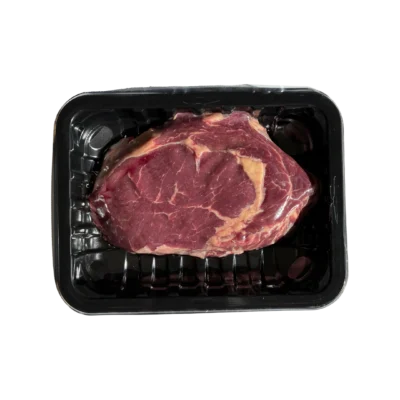
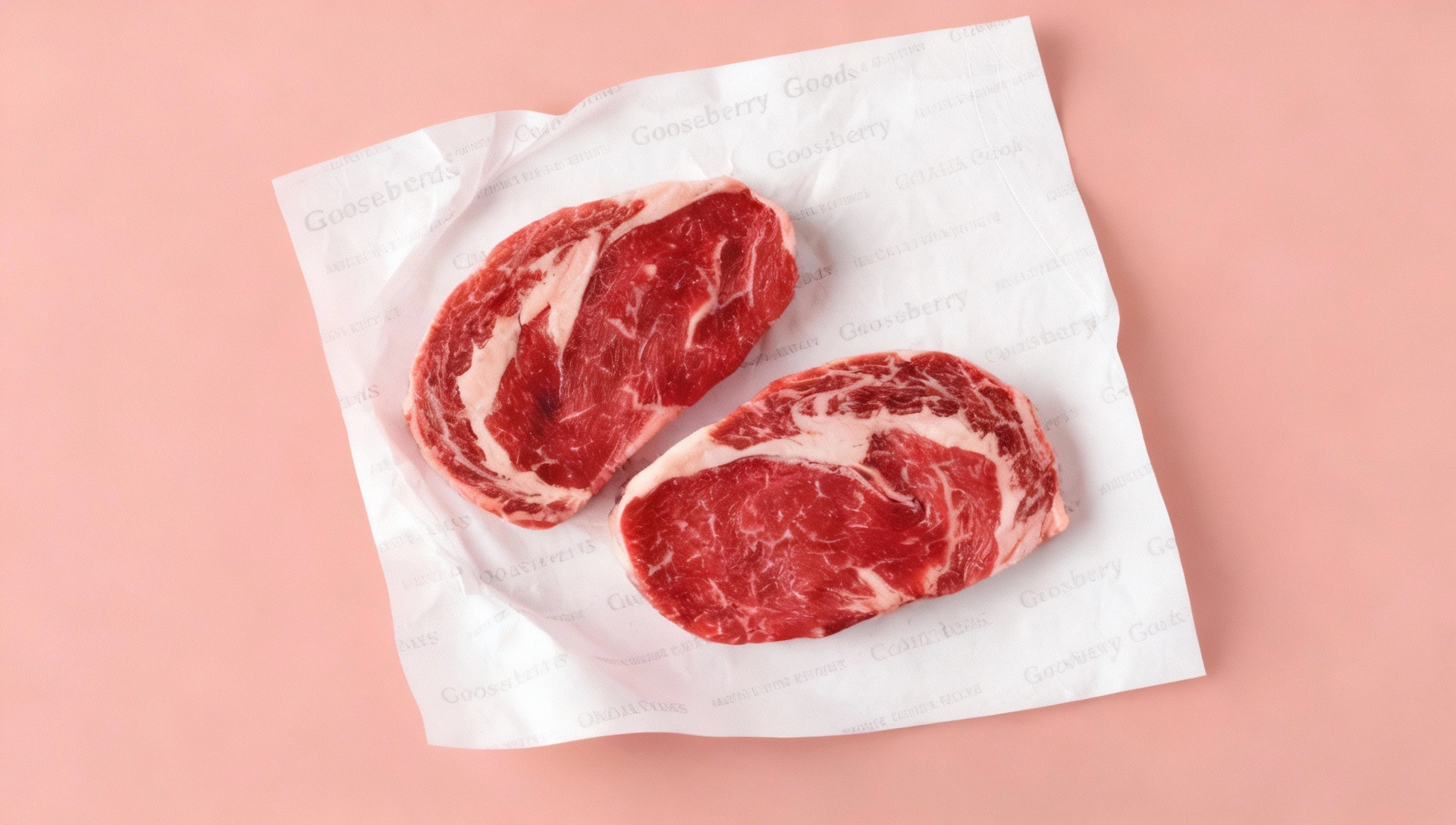
This difference in feeding has an effect not just on how the meat tastes but also on its nutritional makeup. Beef from grass-finished cattle generally contains less total fat but a higher proportion of omega-3 fatty acids, the same beneficial fats found in fish and flaxseed. It also tends to offer more conjugated linoleic acid (CLA), which has been studied for its potential role in supporting metabolism, as well as slightly higher levels of antioxidants such as vitamin E and beta-carotene. Grain-finished beef, in contrast, usually contains more marbling — the fine lines of fat that make a steak tender and juicy. This fat content gives it a milder flavor and softer texture, which many people prefer for grilling or classic steak dishes. The choice between the two often comes down to a balance between taste preference and nutritional priorities rather than a simple matter of one being better than the other.
Flavor is another aspect where the difference is noticeable. Grass-finished beef has a more complex, sometimes slightly “wild” or “grassy” flavor, influenced by the diverse plants the cattle graze on. It can be firmer and leaner, which means it benefits from gentler cooking methods and careful attention to temperature to retain moisture. Grain-finished beef, enriched with starch-based feed, develops more intramuscular fat, resulting in a buttery, tender texture that many diners find familiar. Chefs often adjust their preparation accordingly — searing grass-finished beef quickly over high heat or cooking it at lower temperatures to preserve its natural tenderness.
Beyond taste and nutrition, the methods behind these labels also reflect different agricultural philosophies. Grass-finished systems are often pasture-based, allowing cattle to graze freely and encouraging more natural behaviors. When managed well, rotational grazing can improve soil structure, enhance biodiversity, and even help sequester carbon in the ground. However, raising cattle this way requires more time, land, and patience.
It typically takes longer for grass-finished cattle to reach market weight, and their growth can be affected by weather or seasonal forage quality. These factors contribute to higher costs, which are reflected in the price of the meat. Grain-finished systems, by contrast, are more controlled and efficient. By feeding cattle nutrient-dense grains, producers can shorten the time to market and ensure a consistent product, which makes beef more affordable and widely available. Each system carries its own set of environmental and economic trade-offs, influenced by local climate, feed resources, and farming practices.
For consumers, the best way to know what they’re buying is to look closely at how the beef is labeled and, when possible, to learn about the producer. In some regions, the term grass-fed is used broadly without strict oversight, while grass-finished or 100% grass-fed usually provides more assurance of a fully pasture-based diet. Certifications and verifications from agricultural or organic organizations can also help confirm these claims. Buying directly from local farms or farmers’ markets allows for even greater transparency, as producers are often happy to explain how their cattle are raised, what they eat, and whether they use antibiotics or hormones. Choosing organic beef can add another layer of quality, ensuring that the animals’ feed is grown without synthetic fertilizers, pesticides, or genetically modified ingredients.
At Gooseberry Goods, we prioritize transparency and quality, which is why we exclusively offer 100% grass-fed beef. Our commitment ensures that every cut comes from cattle raised entirely on pasture, reflecting both the natural diet of the animals and careful, sustainable farming practices.